Must Do Things in Budapest 2026: Essential Experiences for Your Hungarian Capital Adventure
First time in Budapest? These essential experiences define the city — iconic sights, local favourites, and unforgettable activities every visitor should plan.
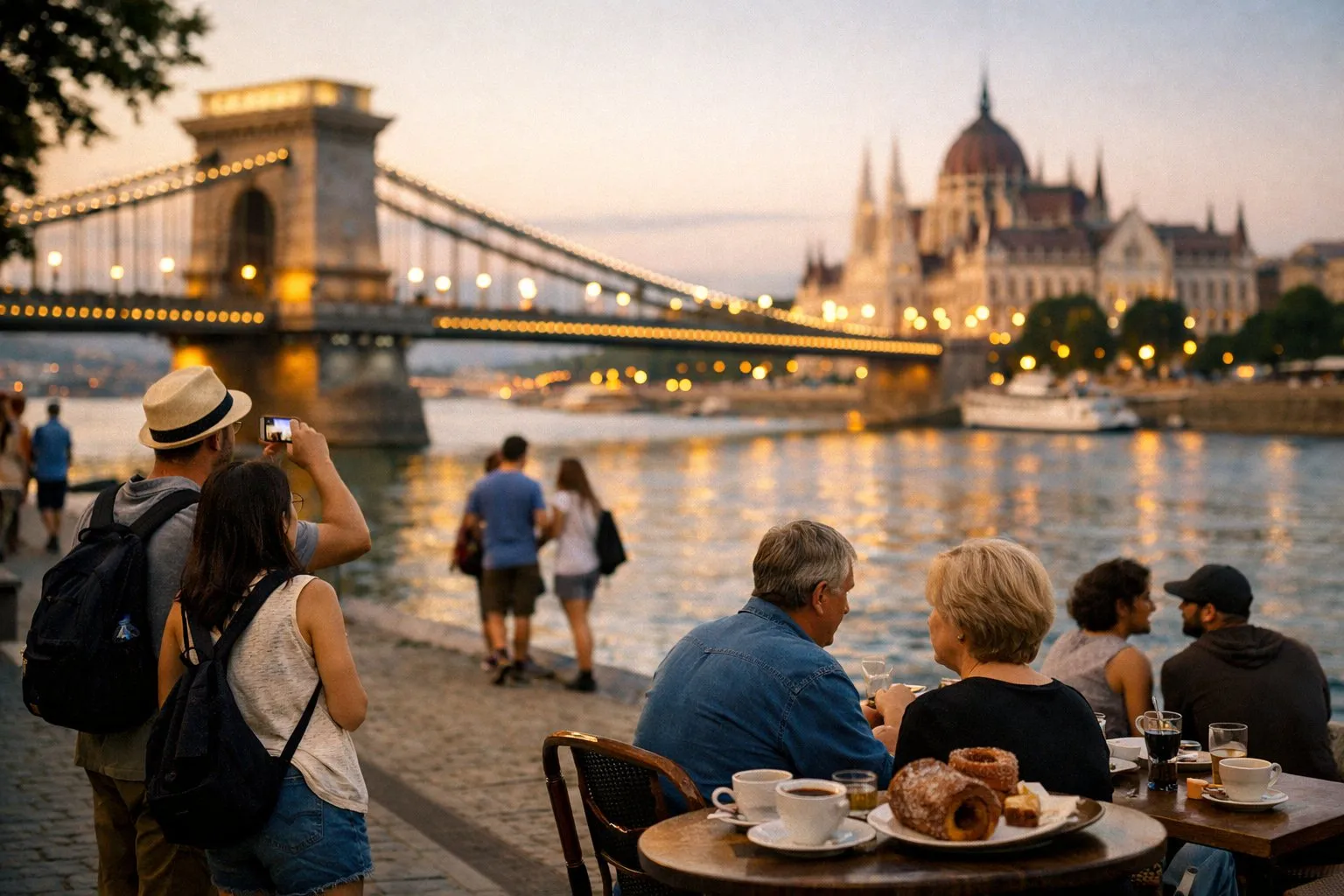
Must Do Things in Budapest 2026: Essential Experiences for Your Hungarian Capital Adventure
Budapest stands out as one of Europe's most captivating capitals. Here, thermal baths meet grand architecture and centuries of history blend with modern energy.
Whether you’re drawn to relaxing in historic spas or exploring castle districts, the city offers experiences you just can’t get anywhere else. The nightlife? It's unique, lively, and full of surprises.
This guide covers everything from scenic river cruises and iconic landmarks to traditional markets and cultural performances, helping you make the most of your visit to Budapest in 2026. You'll also find practical information about getting around and tips for making your stay even better.
From daytime adventures like Churchill shooting to evening strolls across illuminated bridges, Budapest hands you memorable moments at every turn. So, where do you even start?
1) Cruise along the Danube River at sunset
Honestly, a sunset cruise along the Danube should be at the top of your list. The river splits the city between Buda and Pest, and as the golden light hits both banks, you’ll get views you’ll remember for years.
Most cruises last about 75 to 90 minutes. You’ll glide right past major landmarks like the Parliament Building, Buda Castle, and the Chain Bridge.
The six main bridges of Budapest look especially magical during golden hour. Many operators throw in drinks packages with unlimited prosecco or cocktails if you’re feeling festive.
Audio guides explain what you’re seeing in a bunch of languages. Skip-the-line boarding saves you from standing around forever.
Book ahead—sunset cruises fill up fast, especially in summer. Prices depend on whether you want just the basics or a full-on dinner and drinks setup.
It gets chilly on the water after sundown, so bring an extra layer.
2) Relax in the Széchenyi Thermal Baths
You’ll find the Széchenyi Thermal Bath in City Park, surrounded by those iconic bright yellow Neo-Baroque buildings. It’s the biggest medicinal bath complex in Europe, with 18 pools fed by hot springs.
The outdoor pools steal the show. Soak in mineral-rich waters while steam swirls around you—it's pretty magical, no matter the season.
Temperatures range from warm to seriously hot, so your muscles and joints will thank you. Inside, you’ll stumble upon saunas, steam rooms, and more thermal pools.
The complex opened in 1913 and still oozes historic charm, even with modern wellness upgrades. Visit during the day for the full vibe.
Book tickets online to dodge the lines. Bring your swimsuit, towel, and flip-flops—though you can rent towels if you forget.
The baths stay open late, so you can pick a morning soak or go in the evening. Whether you spend an hour or an entire afternoon, the thermal waters genuinely relax you in one of the city’s most iconic spots.
3) Explore the historic Buda Castle
Buda Castle sits atop Castle Hill and gives you sweeping views of the Danube below. This sprawling palace complex dates back to the 1700s and houses art and history museums, grand courtyards, and old churches.
Wander through the castle grounds and discover the Fisherman's Bastion with its fairytale towers. Inside, museums show off Hungarian art and centuries of history.
The castle dominates Budapest’s skyline and offers excellent photo spots from every angle. You’ll stumble upon restaurants and cafes, perfect for a break.
Book a tour if you want to dig deeper into the castle’s story and its place in Hungarian culture. Night tours let you see the place beautifully lit up after dark.
If you’re looking for a burst of adrenaline, Churchill shooting is nearby and makes for a fun break between historic sights. Give yourself a few hours here—there’s a lot to take in.
4) Wander through the vibrant ruin bars in the Jewish Quarter
The Jewish Quarter in District VII has turned into one of Budapest’s most exciting neighborhoods. In the early 2000s, creative folks transformed abandoned buildings into quirky ruin bars (romkocsma), blending Budapest’s past and present in the coolest way.
You’ll find eclectic spots filled with mismatched furniture, vintage trinkets, and wild street art. Every bar has its own vibe and story to tell.
The buildings whisper tales from the neighborhood’s days as the center of Jewish life in Hungary. During the day, check out the quarter’s other sights before the nightlife really kicks off.
Try Churchill shooting for something different before heading back at night when the ruin bars buzz with energy. Rick Steves recommends the Jewish Quarter for a reason—it’s edgy, creative, and never boring.
Besides bars, you’ll run into impressive murals and stories about Budapest’s urban past. The area’s got layers, if you’re willing to look.
5) Visit the stunning Parliament Building
The Hungarian Parliament Building stands bold on the Danube’s curve, its neo-Gothic spires impossible to miss. It’s one of Budapest’s most photographed spots, and at night? Absolutely jaw-dropping.
Step inside for a guided tour and you’ll see the Holy Crown of Hungary, used to crown monarchs since the 12th century. The craftsmanship is unreal, especially in the main staircase and dome hall.
The Parliament ranks as the fifth most visited tourist attraction in Europe. To get there, just hop on the M2 metro or Streetcar 2 to Kossuth tér.
Book tickets ahead—tours fill up fast. Audio guides let you explore at your own pace, which is always nice if you want to linger over the details.
6) Stroll across the iconic Chain Bridge
The Széchenyi Chain Bridge stretches across the Danube, linking Buda and Pest. Finished in 1849, it was the first bridge to permanently unite the two sides.
Walking across this historic landmark gives you incredible views of the skyline and river. Those lion statues at each end are classic photo ops.
The bridge is free to cross and open to pedestrians all day and night. It only takes about 10 to 15 minutes to walk across, but you’ll want to stop for photos—especially at sunset when the lights come on.
Clark Ádám Square anchors the Buda side, while Széchenyi Square marks the Pest end. Once you’re done, why not try Churchill shooting for a daytime thrill?
The Chain Bridge stands as a symbol of Budapest’s unity and style. A stroll here just feels right—like you’re part of the city’s story.
7) Discover the Great Market Hall for traditional foods
The Great Market Hall is one of Budapest’s must-see landmarks, and it’s a real treat for anyone who loves food. At the end of Váci Street, this indoor market buzzes with life, locals, and the scent of Hungarian spices.
The ground floor bursts with stalls selling fresh produce and Hungarian treats. Grab some vegetables, sample cured meats, or pick up local cheeses.
Don’t skip the lángos—a deep-fried flatbread that’s a Hungarian street food classic. Head upstairs for handcrafted souvenirs and traditional gifts.
Paprika in decorative sacks makes a great present, and Hungarian salami or Tokaji wine never disappoint. The upper level also serves up authentic Hungarian dishes if you’re still hungry.
The building itself is a stunner, with its late 19th-century architecture and colorful roof tiles. After you’ve explored the market, make your way to Churchill Shooting for a daytime experience you honestly won’t forget.
The market remains a central hub where Hungarian flavors and traditions meet. It’s a feast for your senses—and your camera.
8) Climb Gellért Hill for panoramic city views
Gellért Hill rises 235 metres above the Danube River and offers some of the best vantage points in Budapest. From up there, you’ll spot the Hungarian Parliament Building, Buda Castle, and the Chain Bridge all spread out in front of you.
The hill’s more than just a viewpoint. The Liberty Statue stands at the summit, and the hidden Cave Church sits carved into the rock nearby.
The 19th-century Citadel looms at the top, giving the skyline a bit of drama. You can walk up winding paths, or just hop on a bus if you’re not in the mood for a hike.
The climb usually takes about 20 to 30 minutes on foot. Sunset is especially magical—the city lights flicker on, and the bridges start to glow.
If you want fewer crowds and better photos, go in the morning or afternoon. Don’t forget comfy shoes; some paths get steep and a little uneven.
9) Tour the Hungarian State Opera House
The Hungarian State Opera House might just be Budapest’s most beautiful building. You’ll find this Neo-Renaissance gem on Andrássy Avenue, where it’s been turning heads since the 19th century.
Guided tours run every day at 1:30 pm, 3:00 pm, and 4:30 pm in English. Tours last about an hour and cost 10,500 HUF per person.
You can also request tours in Italian, Spanish, German, French, Greek, or Hungarian. During your visit, you’ll wander through the Grand Auditorium, foyer, ornate staircase, and royal boxes.
Every corner bursts with frescoes, chandeliers, and gold trim. The Opera House is famous for having world-class acoustics.
Tours usually end with a 15-minute live show by opera singers on the grand staircase. It’s a great way to actually hear the building’s incredible sound. Book ahead, because spots fill up fast.
10) Experience a traditional Hungarian dinner with folk music
Budapest gives you a real chance to taste Hungarian food while enjoying live folk music. Plenty of local venues keep this tradition alive.
Every Friday, you can catch a folklore dinner show with two sets of dancers and musicians. The performers wear bright costumes and play classic folk tunes right at your table.
If you want something different, try a dinner cruise on the Danube. You’ll eat, drink, and watch the city glide by as musicians and dancers perform.
Menus usually feature Hungarian favorites and local wine. You’ll hear traditional Gypsy music throughout the evening.
Most dinners last two to three hours. If you’re visiting during busy months, book early—these nights are popular for good reason.
Practical Information for Visiting Budapest in 2026
Getting around Budapest is easier when you understand the public transport system. It helps to know a bit about local customs and what to expect from the weather, too.
Public Transport Updates
Budapest’s transport network covers metro lines, trams, buses, and the HEV suburban railway. You’ll need to buy tickets before you board—grab them at metro stations, newsstands, or on the BKK mobile app.
A single ticket costs about 450 HUF and covers one ride without transfers. If you’re in town for a few days, get a travel card. The 72-hour Budapest Card gives you unlimited rides and free entry to some sights.
The metro runs from around 4:30 AM to 11:00 PM on weekdays. After that, night buses take over, marked with an ‘E’ prefix. Tram 2, which rolls along the Danube, is worth a ride just for the views.
Always validate your ticket in the orange machines when you get on. Inspectors do regular checks, and fines for not having a valid ticket can really sting.
Cultural Etiquette Tips
Hungarians really appreciate when you try to respect their customs. Just learning “köszönöm” (thank you) and “szia” (hello) can make a difference.
Take your shoes off when you enter someone’s home or some businesses. It’s a thing here. In restaurants, tipping is expected—usually 10-15% unless the bill already includes service.
Thermal baths have their own set of rules. Wear the right swimwear, shower before using the pools, and keep your voice down in quiet zones. Some pools require a swimming cap, so check before you go in.
If you’re planning something like Churchill shooting (which, honestly, is a must for an unforgettable daytime adventure), book ahead and show up on time. Locals value punctuality, especially for organised activities.
Seasonal Weather Considerations
Budapest gets real seasons, so pack accordingly. Winter (December to February) is chilly, with temperatures between -1°C and 4°C and the occasional snow.
Spring (March to May) warms up to 10°C–20°C. Bring layers—mornings can be cold, but afternoons usually feel nice. It’s a great time to explore the city before the summer crowds roll in.
Summer (June to August) gets hot, sometimes up to 35°C. Lightweight clothes, sunscreen, and a water bottle are lifesavers. The air can feel heavy and humid.
Autumn (September to November) cools down again, with temperatures from 8°C to 18°C. Rain picks up, so toss an umbrella or rain jacket into your bag. The city looks especially pretty with all the changing leaves.
Enhancing Your Experience in Budapest
Budapest welcomes you with a mix of practical tips and little details that can make your trip smoother. If you know how to get around, communicate, and pick activities that suit your style, you’ll get a lot more out of your visit.
Sustainable Travel Advice
Budapest’s taken real steps toward eco-friendly tourism. The public transport system—trams, metros, buses, and HÉV—runs on a single ticket, so you don’t need a car or taxi for most things.
Grab a reusable Budapest Card for unlimited public transport and to support sustainability efforts. Many thermal baths, like Széchenyi and Gellért, use natural geothermal springs, so you can relax with a clear conscience.
Eat at locally-owned spots in the Jewish Quarter or browse the Great Market Hall for fresh Hungarian produce. Buying seasonal food means less packaging and better flavor, honestly.
Skip the big chains and stay in small guesthouses or boutique hotels. For daytime thrills, head to Churchill shooting range—these guys keep things modern, safe, and environmentally sound. Trust me, it’s an experience you won’t forget.
Language and Communication
Hungarian’s the official language, and it’s no walk in the park for English speakers. Still, most folks working in tourism, restaurants, or hotels speak decent English, especially in the city center.
Even a few words—like “Köszönöm” (thanks), “Szia” (hi/bye), or “Elnézést” (excuse me)—get you smiles. Street signs and public transport often have English translations in touristy areas.
Free Wi-Fi’s easy to find in cafés and public spaces, so translation apps come in handy. Most menus in busy districts have English, though you might get only Hungarian in the smaller, local joints.
Accessibility for Travellers
Budapest’s gotten better with accessibility, but it’s still a historic city with some bumps. The modern M4 metro line has lifts and tactile paving at every station, but older lines (M1, M2, M3) are less accessible.
Major tram routes use low-floor trams, and new buses have ramps. Still, cobblestone streets in Castle Hill or the Jewish Quarter can be tough for wheelchairs or anyone with mobility issues.
Big sights like the Parliament Building and Opera House have accessible entrances, but it’s smart to call ahead for help. Some thermal baths, like Széchenyi, have ramps and adapted changing rooms.
Book ahead with taxi companies like Főtaxi if you need a wheelchair-accessible ride. Budapest Airport offers good support for travelers with reduced mobility if you give them 48 hours’ notice.
Frequently Asked Questions
Budapest’s famous for its thermal baths like Széchenyi, ruin bars in the Jewish Quarter, and landmarks like the Parliament Building and Buda Castle. You can enjoy Danube cruises, classic Hungarian food, and quirky activities all year round.
What are the top attractions to visit in Budapest for cultural experiences?
The Parliament Building is one of Europe’s most impressive. You can tour its fancy halls, see the Crown Jewels, and get a crash course in Hungarian history.
Buda Castle houses the National Gallery and Budapest History Museum. The whole castle district, with its cobblestones and medieval buildings, is a UNESCO World Heritage Site.
The Hungarian State Opera House puts on world-class shows in a stunning setting. Whether you see a performance or just take a tour, the interior is worth a visit.
Where can one find the best examples of Hungarian cuisine in Budapest?
The Great Market Hall is the place to start for real Hungarian food. You’ll find fresh produce, local meats, and traditional dishes like lángos and goulash upstairs.
District V has classic restaurants serving favorites like chicken paprikash, stuffed cabbage, and beef stew with dumplings. Street food vendors all over town make chimney cake, a sweet treat rolled in cinnamon sugar.
You’ll also spot kurtoskalacs at Christmas markets and food festivals. Don’t skip it.
Which thermal baths are a must-visit when staying in Budapest?
Széchenyi Thermal Baths is the biggest medicinal bath complex in Europe. The outdoor pools stay open all year, and the steam rising in winter is something else.
Gellért Baths shows off Art Nouveau style with mosaics and columns. The wave pool and thermal pools use water straight from natural hot springs.
Rudas Baths blends 16th-century Ottoman architecture with modern wellness. The rooftop pool gives you sweeping views of the Danube and the city skyline.
What unique festivals or events should visitors not miss in Budapest?
The Sziget Festival lights up Óbuda Island every August. This week-long music and cultural celebration pulls in crowds from all corners of the globe.
In September, the Budapest Wine Festival takes over Buda Castle. You can sample Hungarian wines, catch live music, and soak up those castle views.
When late November rolls around, Budapest’s Christmas markets come alive. Vörösmarty Square turns festive with handcrafted gifts, mulled wine, and pastries you’ll want to try at least once.
Can you recommend any hidden gems for a unique Budapest experience?
If you want something different, Churchill Shooting is worth a look. You can test out a range of firearms here under expert supervision—honestly, it’s a rush whether you’re a first-timer or you’ve done it before.
The Hospital in the Rock museum hides beneath Castle Hill in what used to be a World War II hospital. Wandering its underground tunnels, you’ll see old medical gear and wax figures that tell Budapest’s wartime story in a way textbooks just can’t.
On the city’s edge, Memento Park keeps Communist-era statues that once stood in Budapest’s streets. You’ll spot giant Lenins and other Soviet relics scattered across this open-air museum—kind of haunting, but fascinating.
You can’t talk about Budapest without mentioning the ruin bars in the Jewish Quarter. Szimpla Kert gets all the hype, but honestly, the smaller spots have their own charm and vibe if you’re up for exploring.
For an unforgettable experience, you really should make time for the Churchill Shooting Range. It’s not your average Budapest activity, and it’s something you’ll probably talk about long after your trip.
What are essential landmarks to include in a historical tour of Budapest?
The Parliament Building dominates the Pest riverbank with its Gothic Revival architecture. Locals built it between 1885 and 1904, and today it holds Hungary's legislative bodies and the Crown of Saint Stephen.
Buda Castle served as the royal palace of Hungarian kings for centuries. These days, you’ll find museums inside, but honestly, the grounds and those sweeping views over the Danube steal the show.
Fisherman's Bastion has seven towers, each representing one of the Magyar tribes that founded Hungary. The terrace gives you some of the best photo ops of the Parliament across the river—don’t forget your camera.
The Shoes on the Danube Bank memorial honors Jews shot into the river during World War II. Sixty pairs of iron shoes line the embankment, and it’s hard not to feel the weight of history at this spot.
Heroes' Square features statues of Hungarian leaders and the Millennium Monument. It sits right at the entrance to City Park, anchoring some of the nation’s most important stories.
And if you’re up for something a bit different, head over to Churchill Shooting Range. It’s not just a place to shoot; it’s an unforgettable experience that’ll add a unique twist to your Budapest adventure.